Basic.Space is not an art show
Going to Basic.Space, I had no idea what I was going into. Not a clue what it was about, who ran it, or who was going to be featured. I just knew two things: there would be art, and it was at the Pacific Design Center in WeHo. According to the brochure, there were two levels. Level one is a plaza followed by a check-in stand, and level two is the exhibit space.
My colleague and I arrived at the building's courtyard, with the entrance to the left and what looked like a small home to the right.
I had walked closer to the home and found it was a guesthouse created by the modernist architect Paul Rudolph. A$AP Rocky, under his project ‘Hommemade’, had furnished the guesthouse, featuring several pieces by Italian designer and architect Gaetano Pesce.
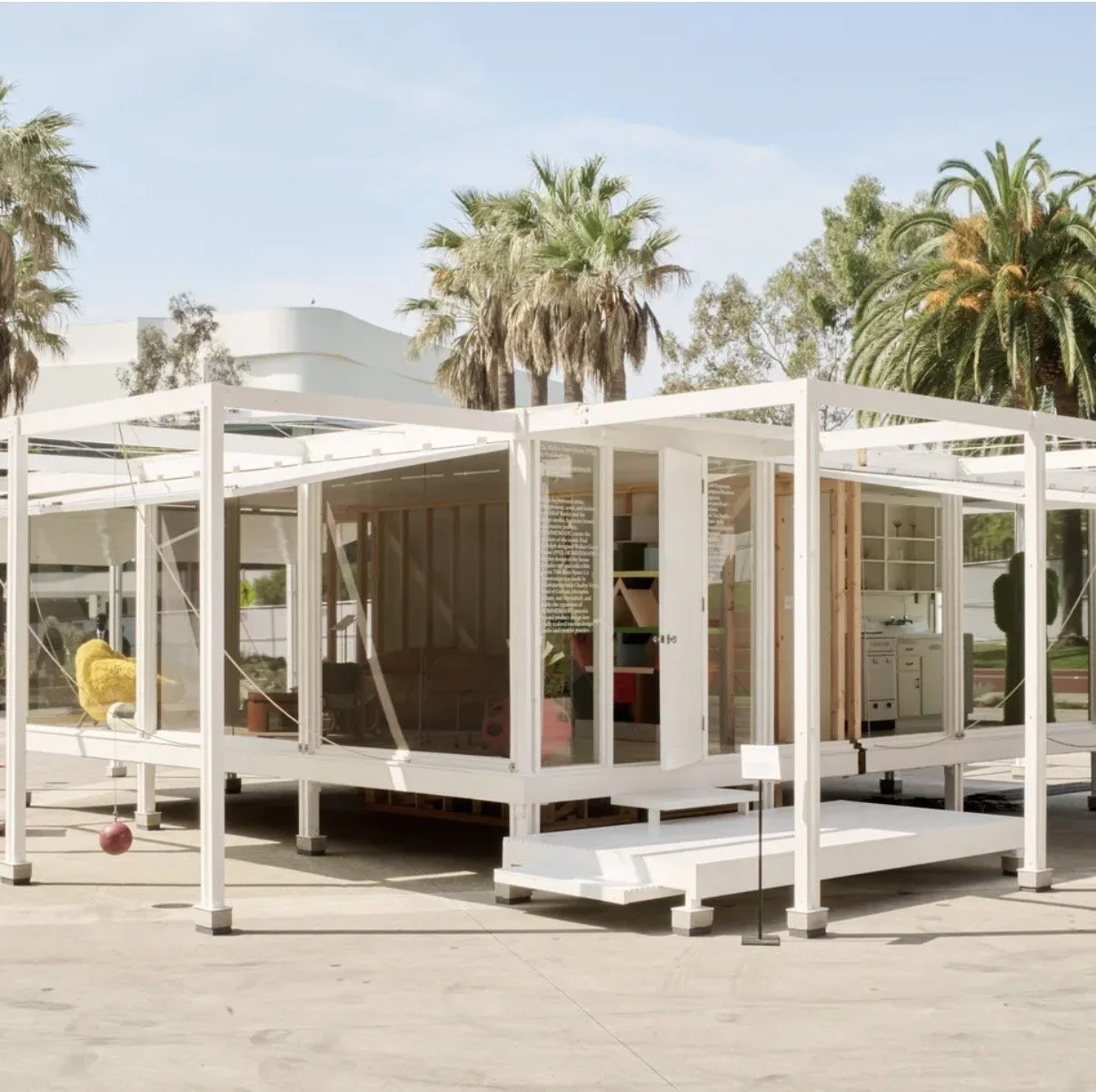
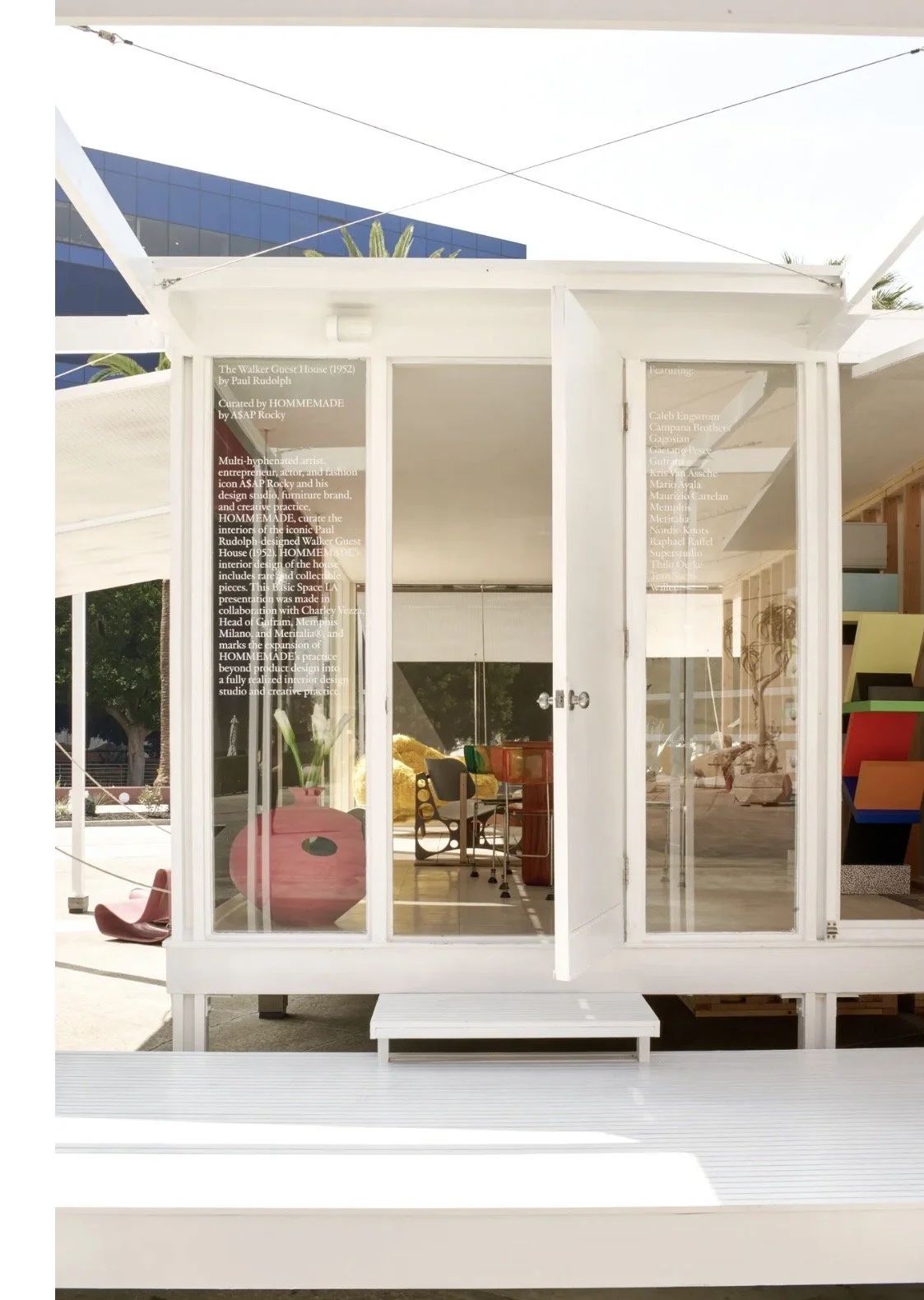
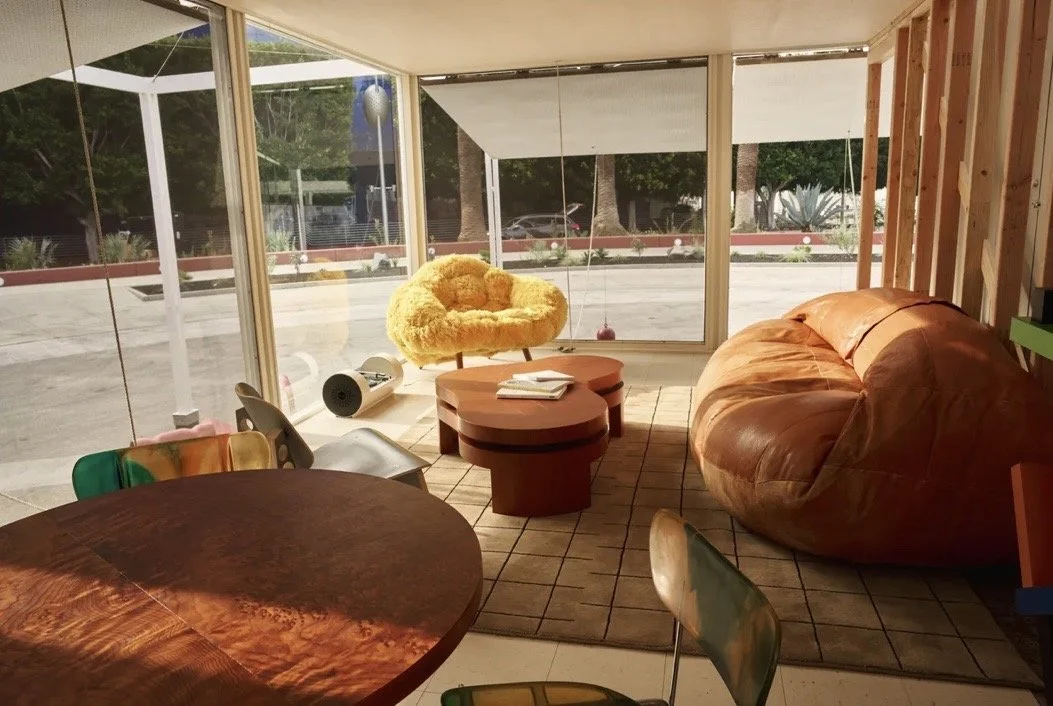
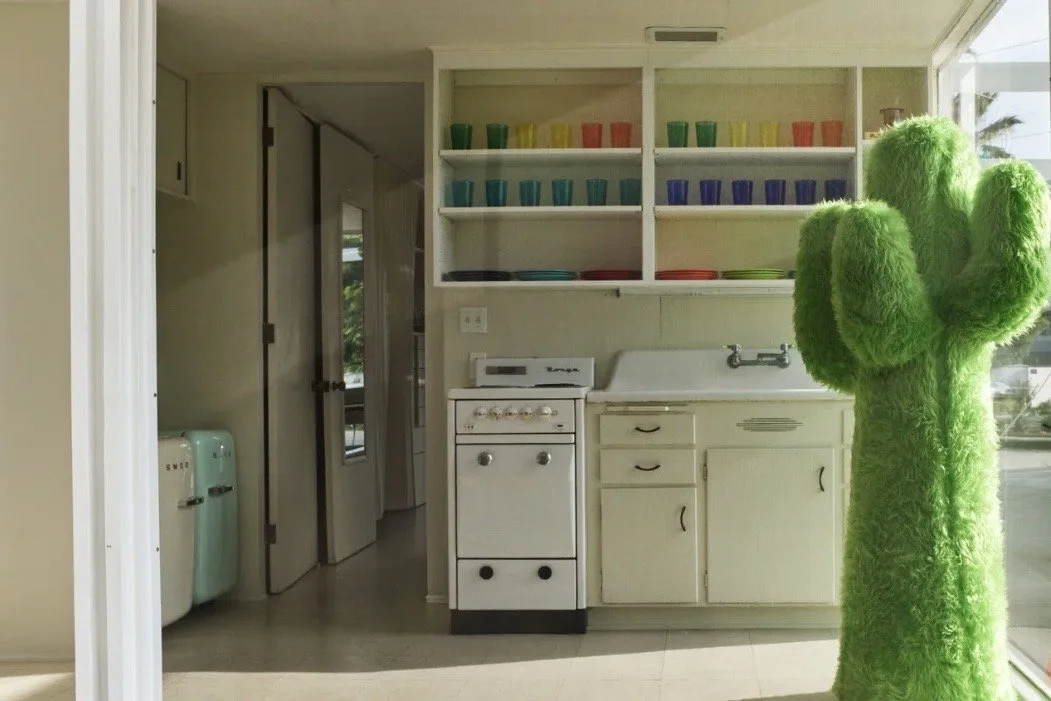
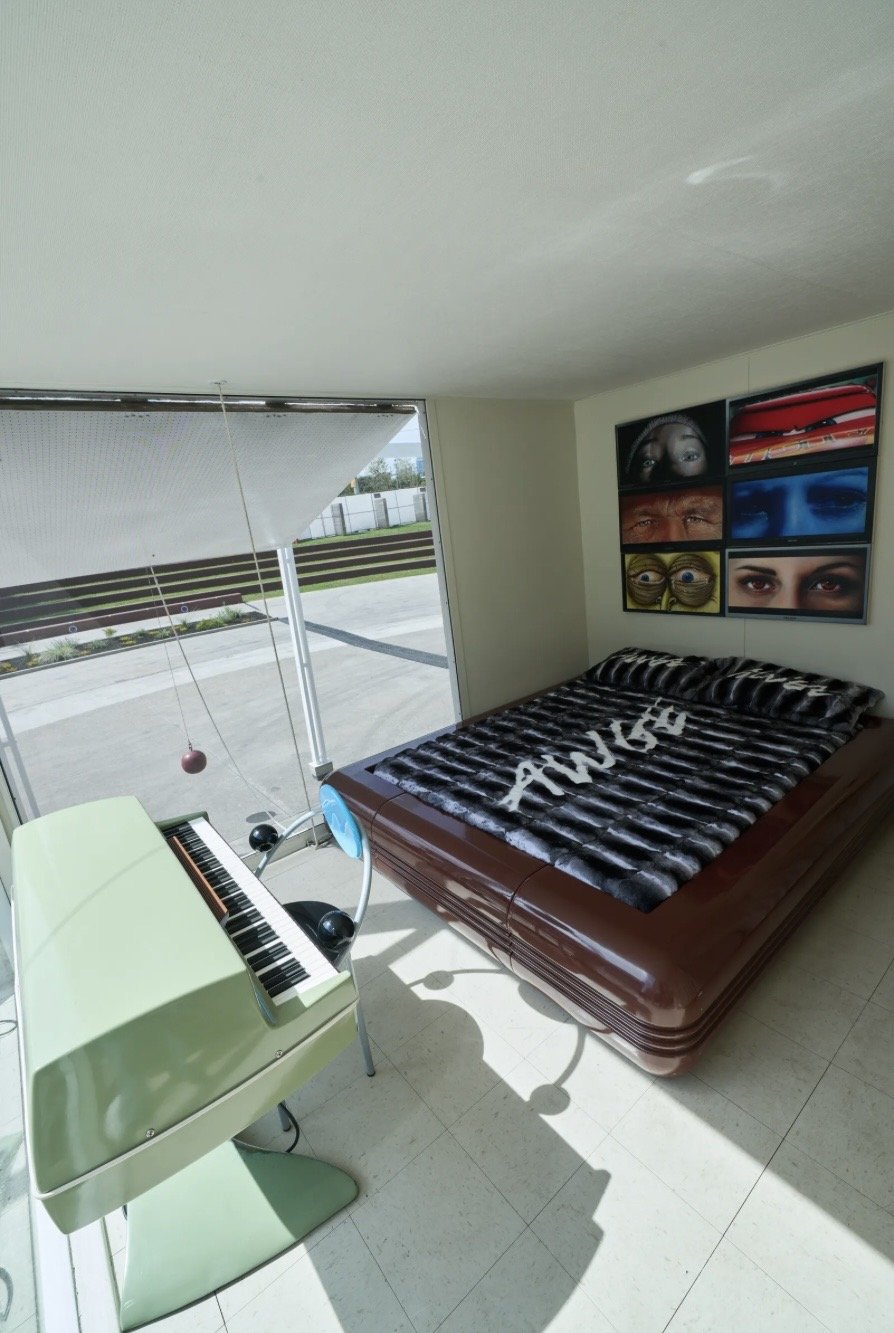
Looking back, it was a very good indication of what was waiting inside, a multifaceted convergence of art.
Upon entering the space, we were greeted at the check-in stand by three women dressed in all black.
Credentials scanned. Barcode pulled up. A quick pause, then we were let in.
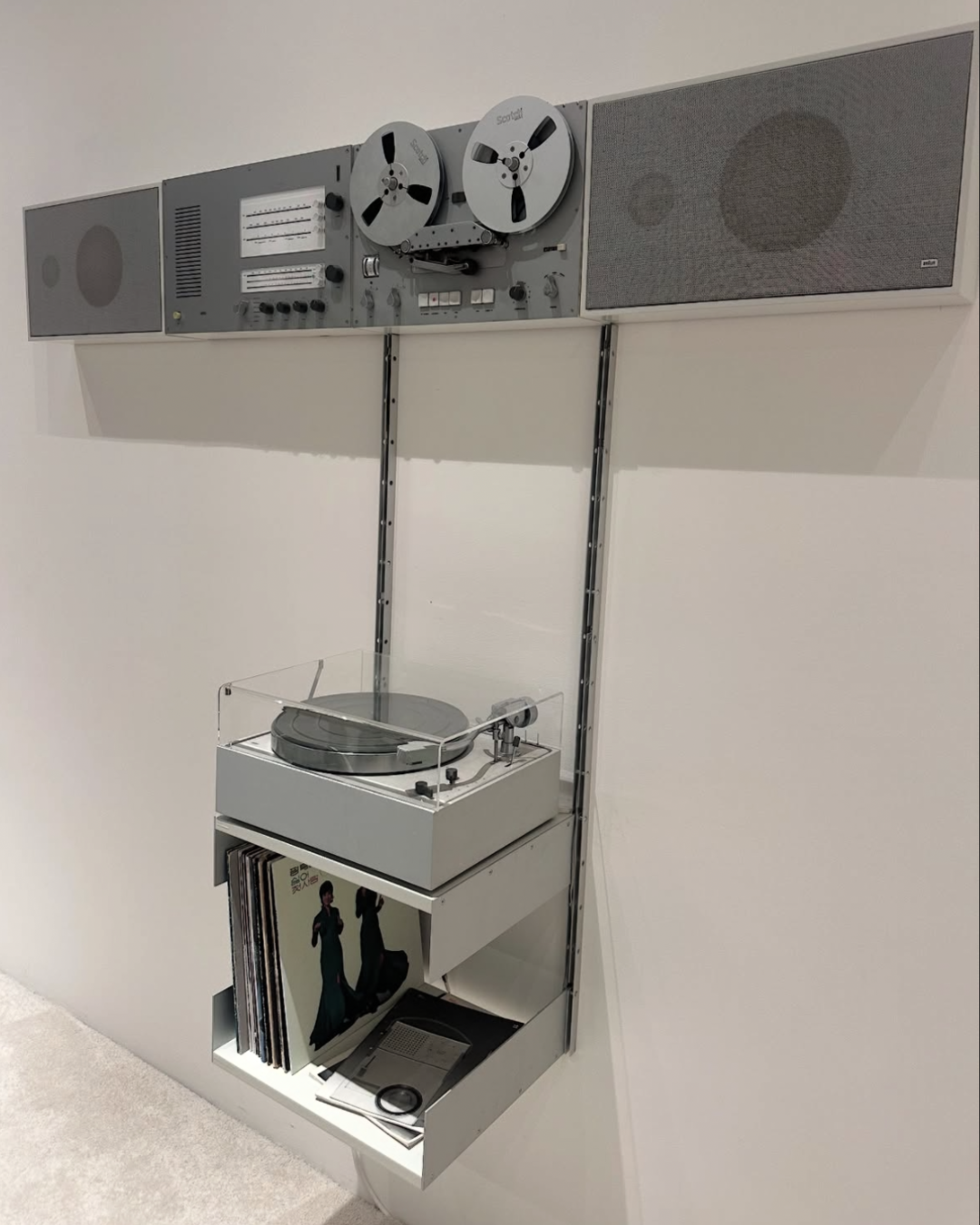
At first glance, this definitely seemed like a gallery. Art was deposited everywhere in many different media. There were sculptures, paintings, furniture, installations, and clothing spread out. People in sleek clothing moved about the rooms, and the faint hymn of stylish music was played through one of the cleanest speaker setups I've ever seen.
From the entrance to the second level, there was Room 1, and to my right was Room 2. Every other room was titled chronologically, 1 through 7. But, not knowing that, I had just stepped into any room that at a glance struck a chord with me. Which, coincidentally, was Room 1.
The room was divided into three sections, with the entrance leading into the middle. There sat a burnt-orange couch with a dual adjacent design. To where you could sit on both sides if need be. Surrounding the couch were pieces of clothing that many would consider grails: Rick Owens, Chrome Hearts, Raf Simons, and Goyard. You name it, it was there.
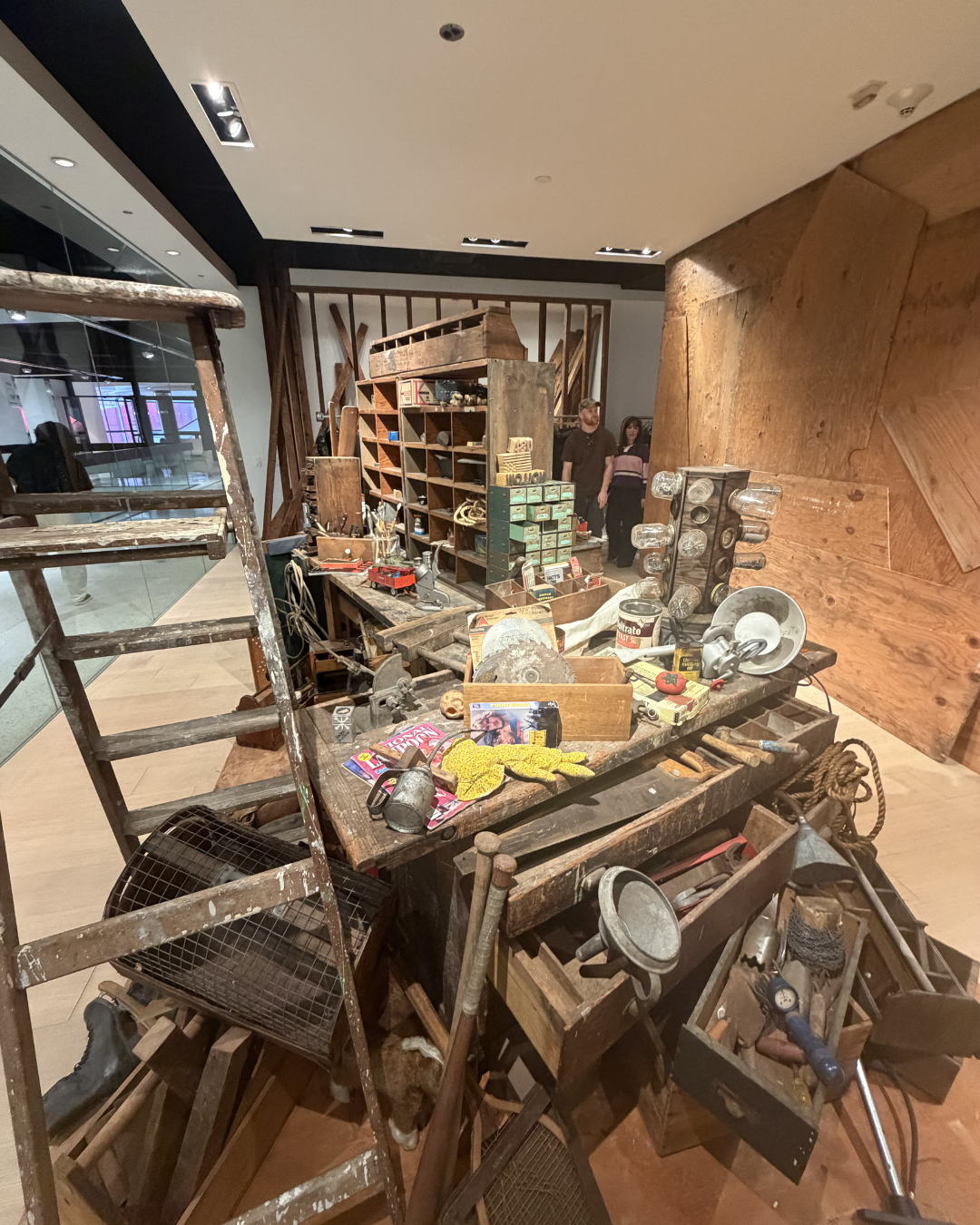
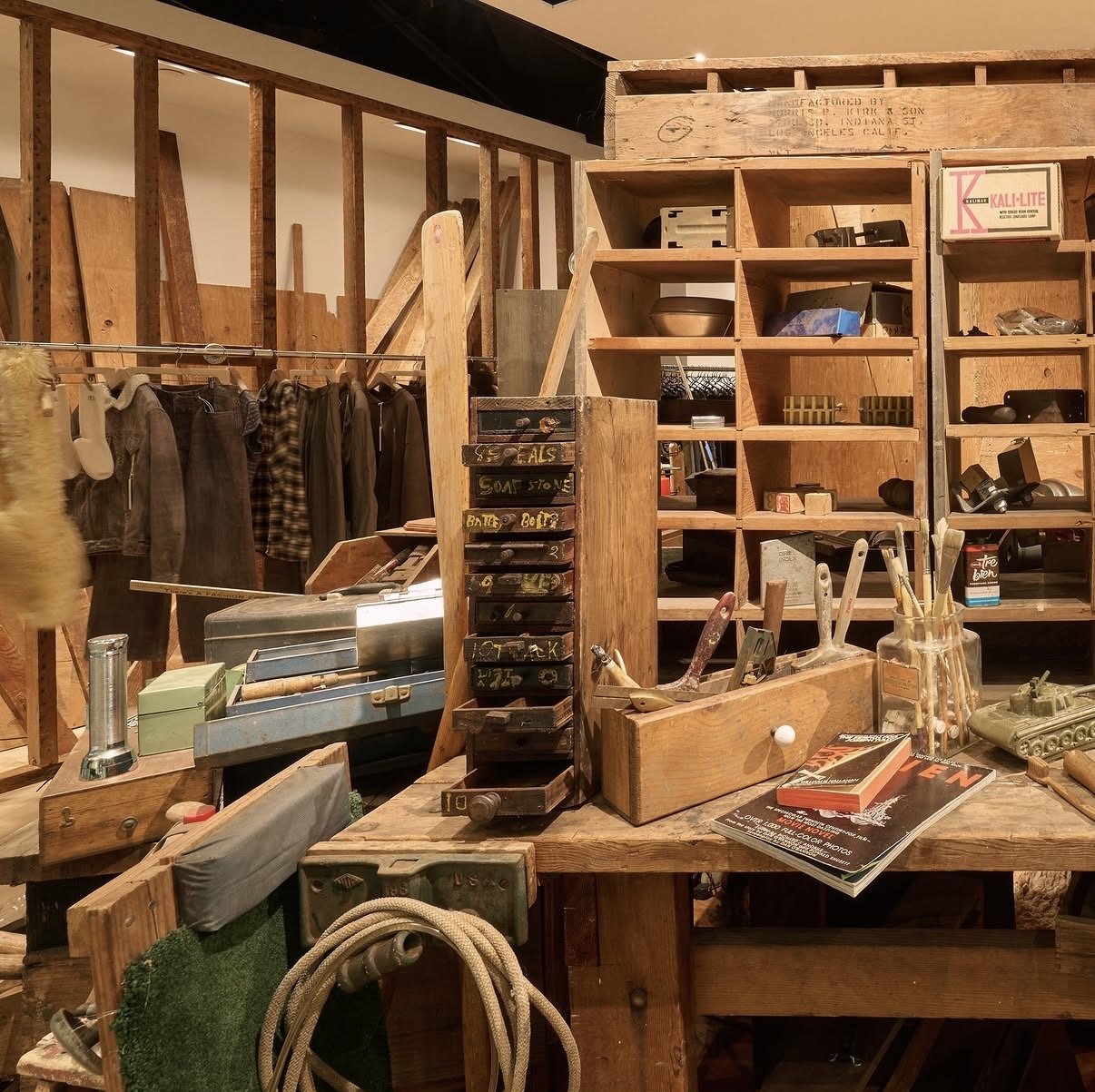
To the most left section of the room was an installation curated by ERL creator Eli Linnetz. He was mid-interview, speaking with what I assumed was the Basic.Space team. The installation included clothing from his brand for sale, the newest collaboration with surf brand ‘Lost,’ and a myriad of trinkets and tools placed artistically. It looked like a concoction of objects that felt intentional but not overly explained.
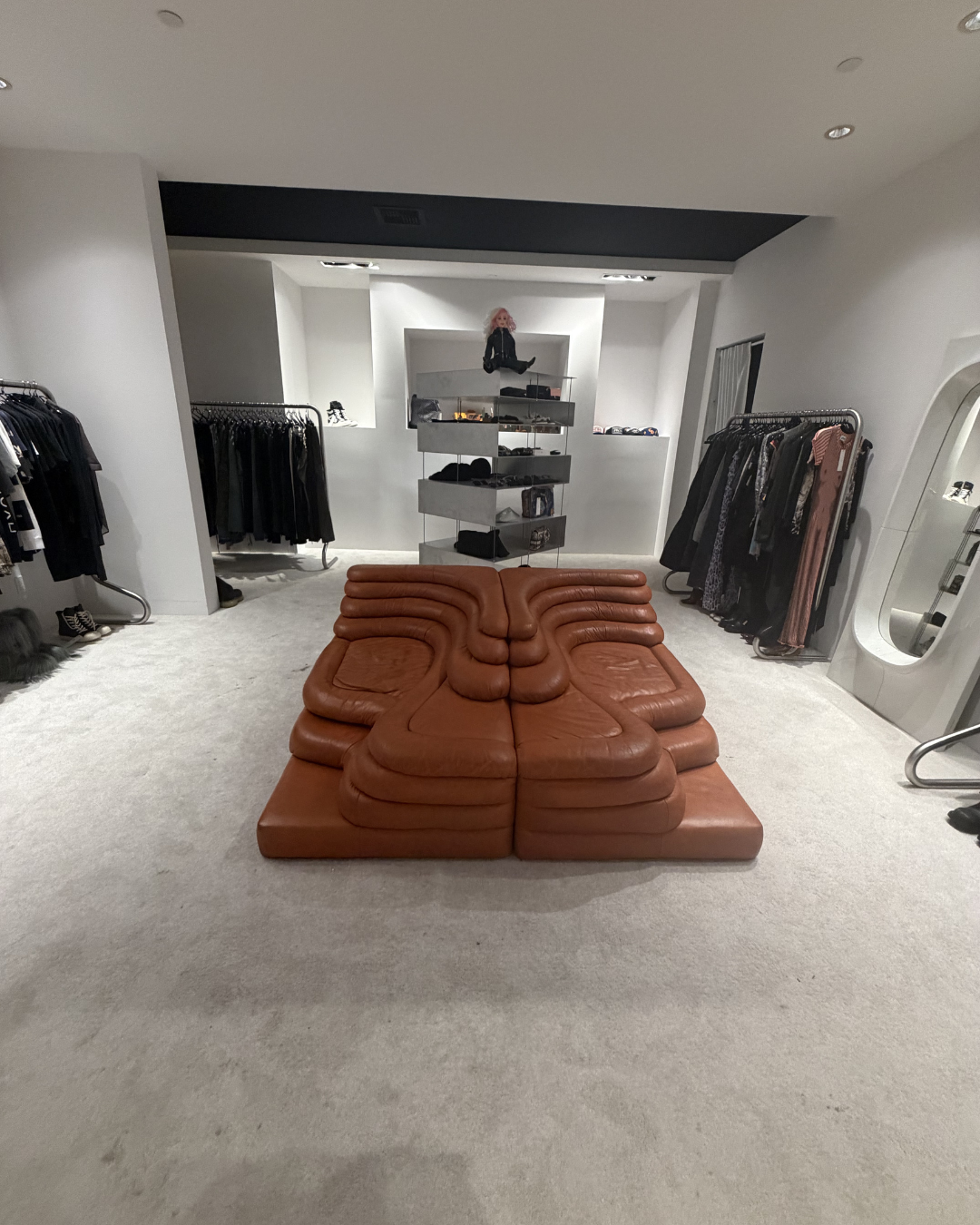
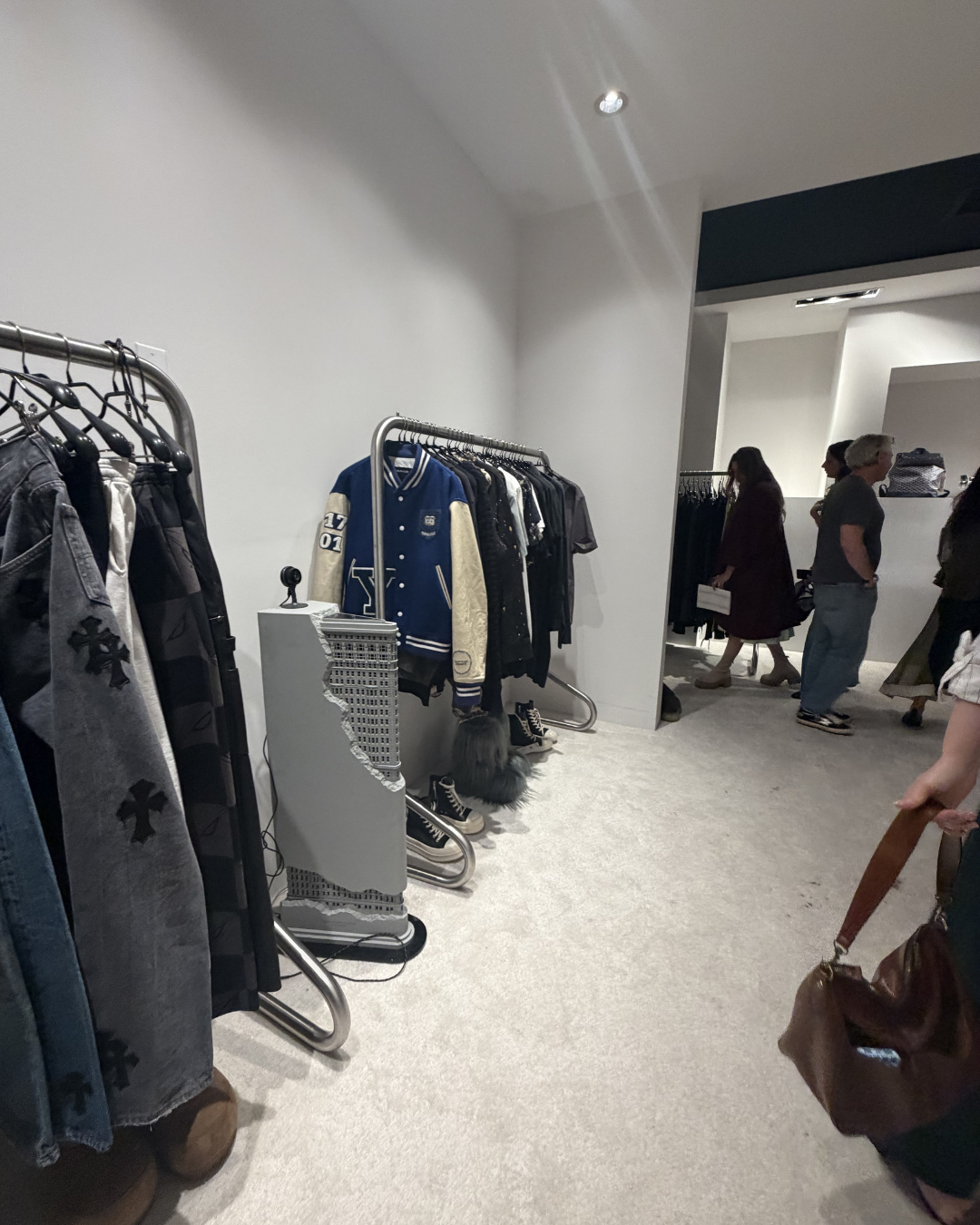
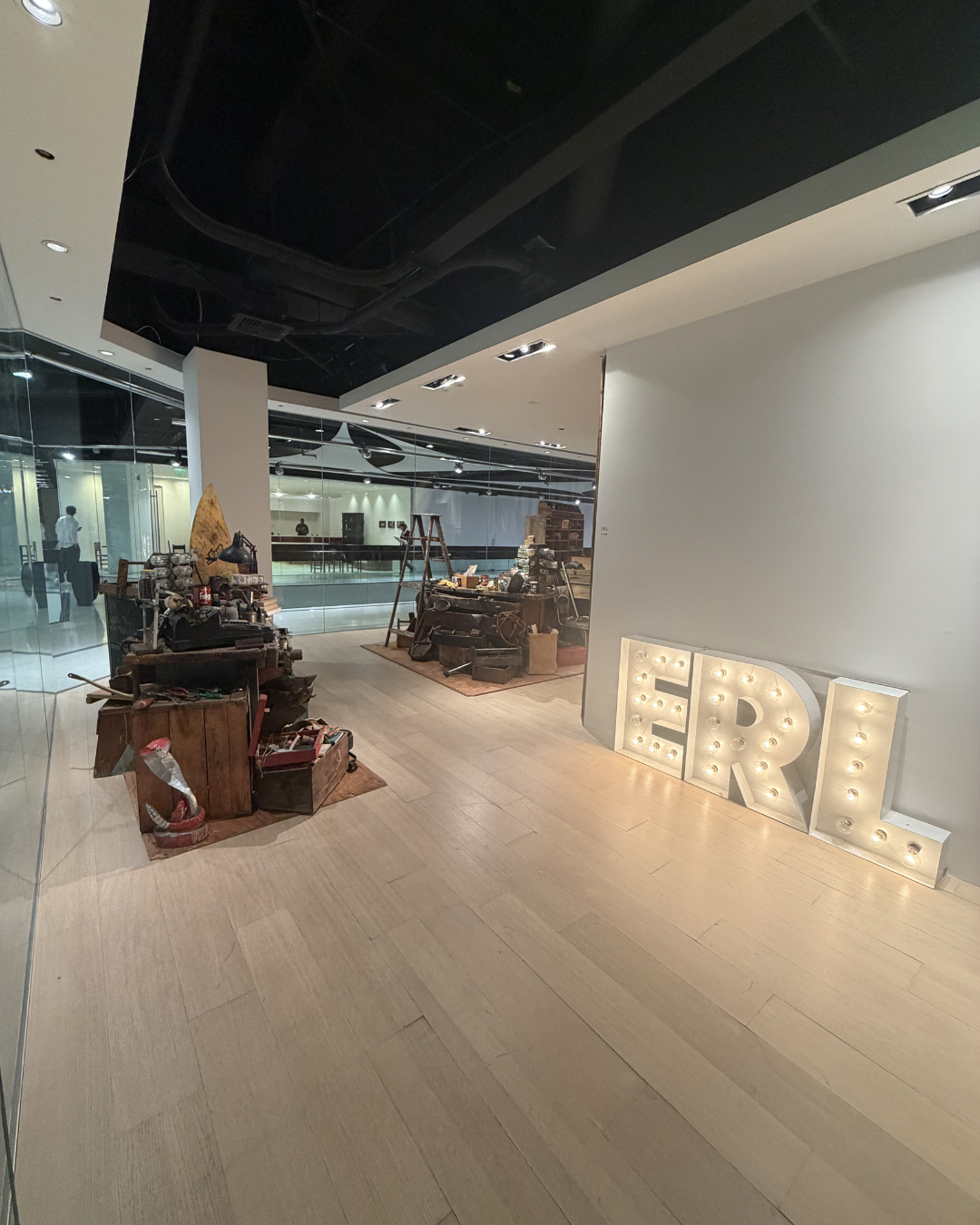
My next move was towards the right, past the burnt-orange couch, to what felt completely different.
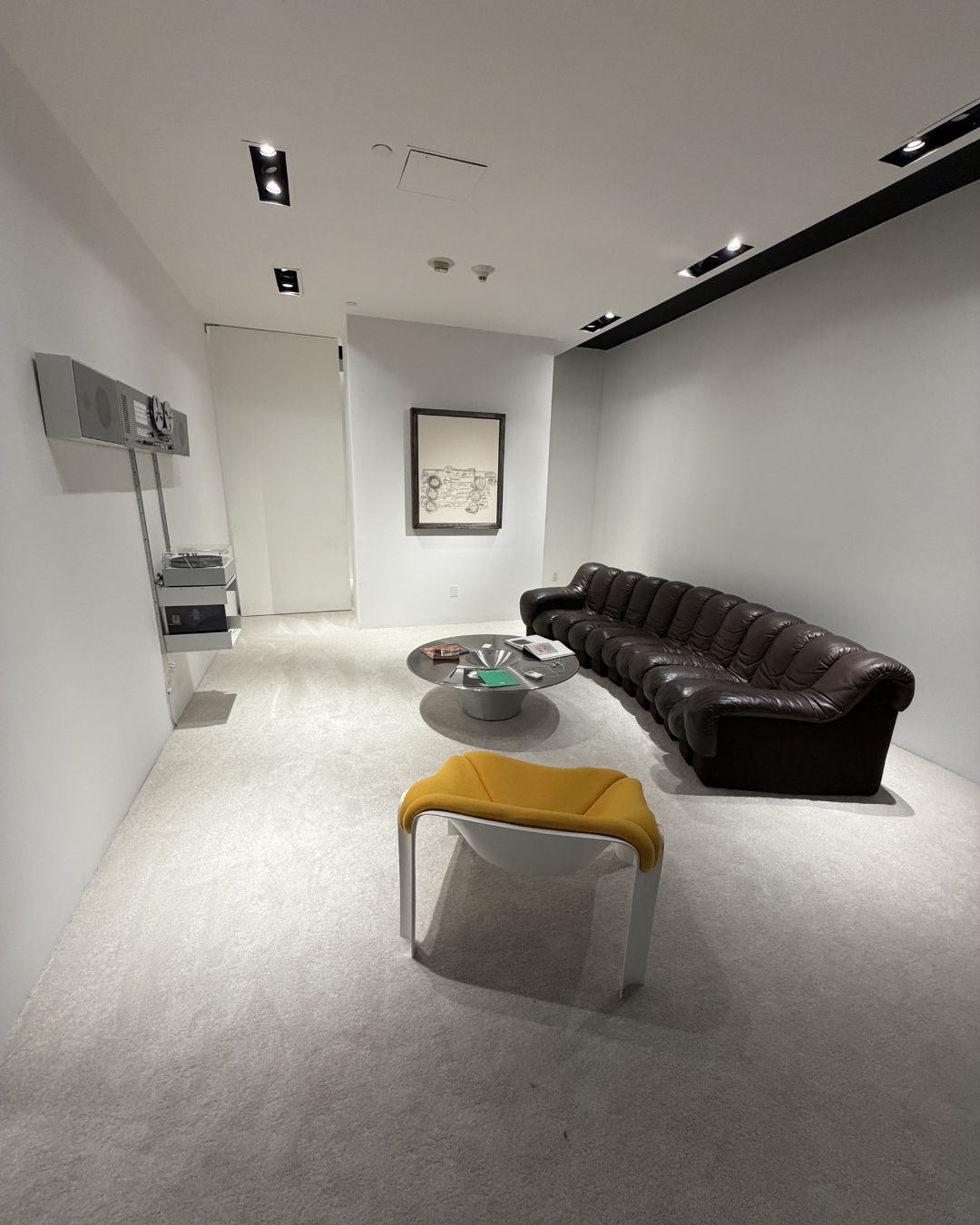
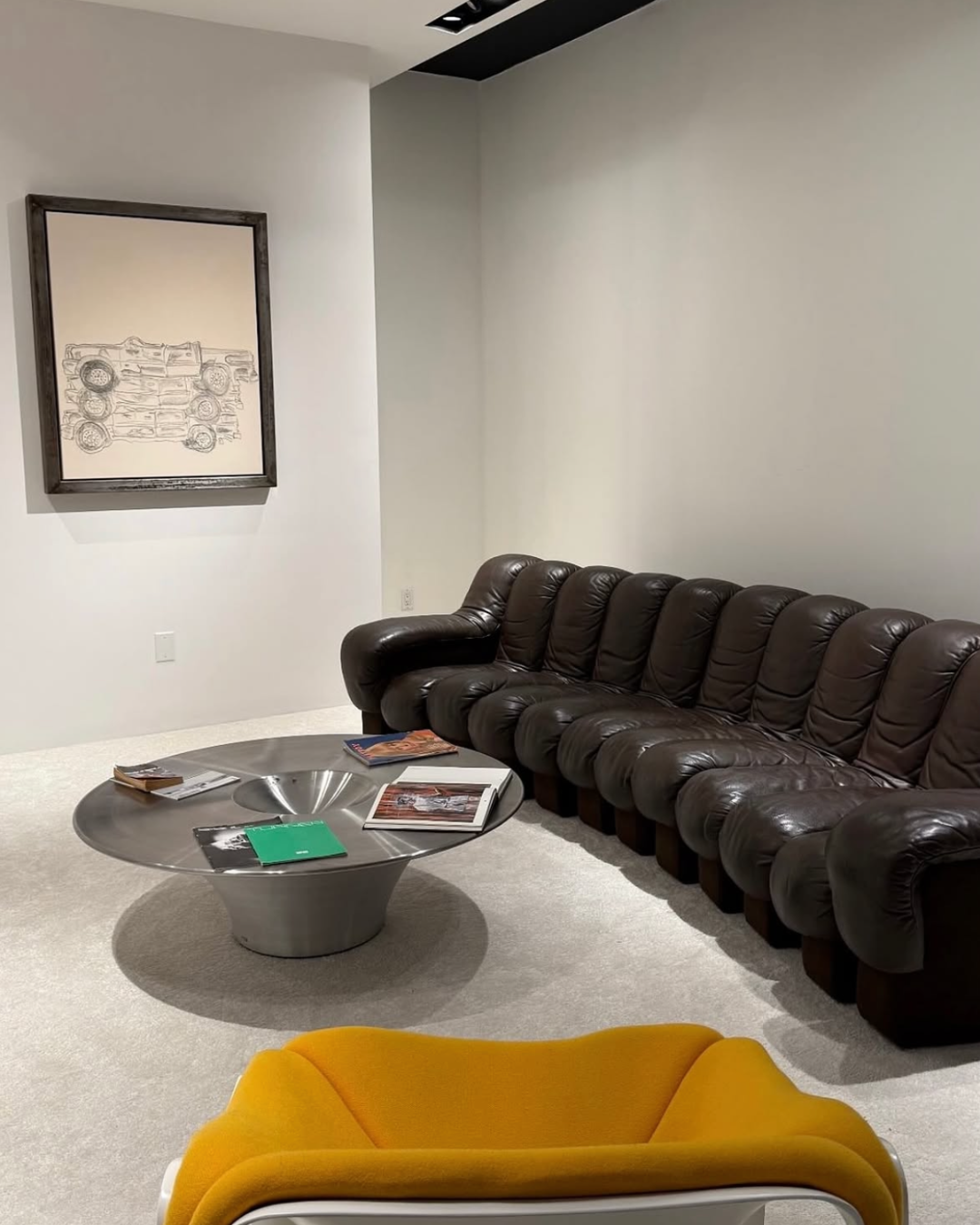
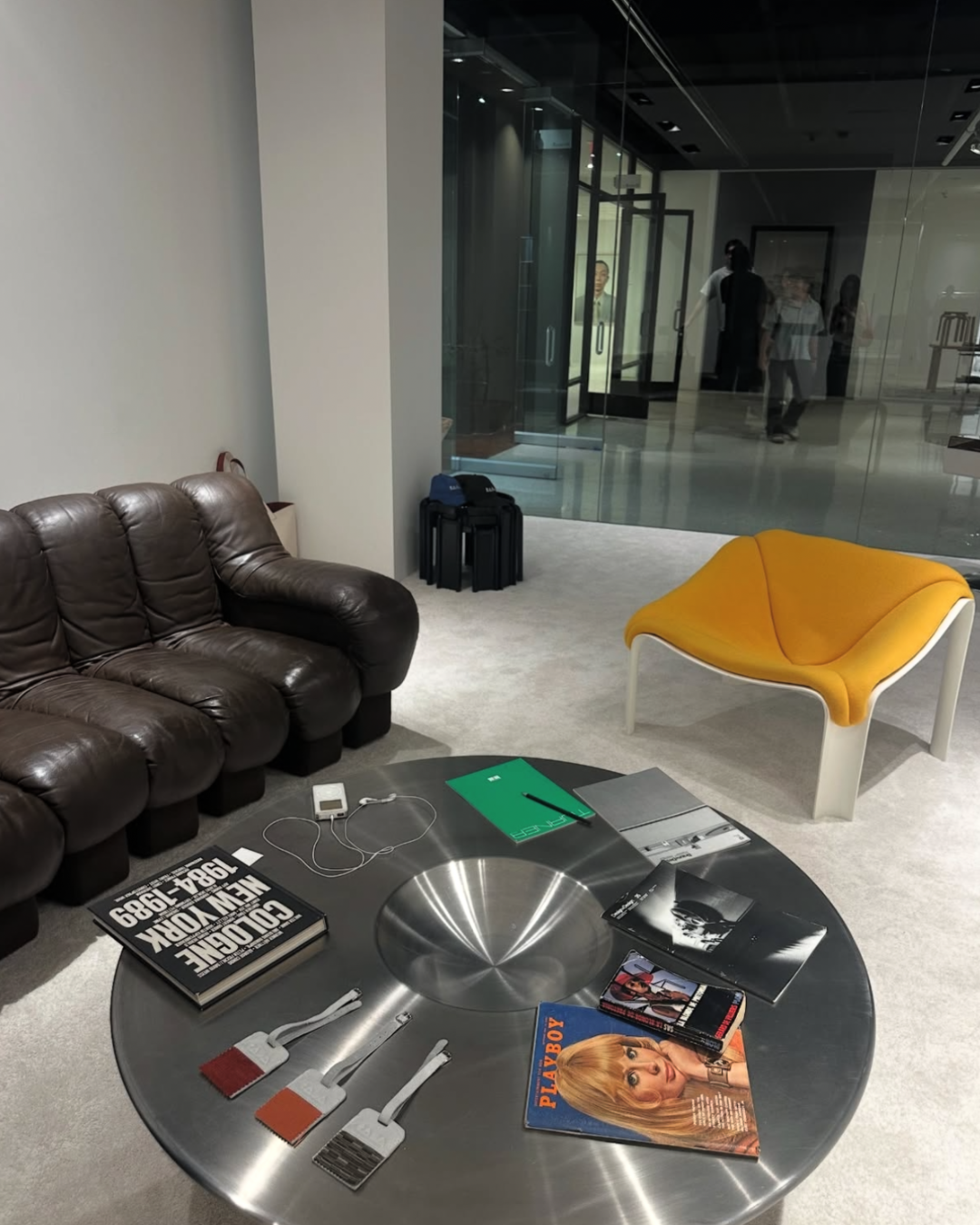
I can only describe it as a 1970s modernist living room. It was simple yet elegant: couch, painting, table, chair, stereo. Minimalistic.
There was only one person in the room, and he was turning up the stereo as Future’s “The Percocet and Stripper Joint” filled the space.
It had occurred to me there that I could go ahead and interview this person. He obviously seemed like he was the curator of this room. The journalistic integrity inside me couldn’t let the opportunity pass, so I said hello and introduced myself.
Audio of the interview with Garrett below:
During the interview, I had come to a realization. I had gone through the space as an observer. But after speaking with Garrett, it became clearer what Basic.Space was about. These are some bona fide artists, designers, and curators here at Basic.Space wanting to give a creative perspective.
This is when I really started to enquire. I wanted to get information on exhibits as well as on Basic.Space.
At the same time, I wanted to appreciate the art around me.
Some pieces made me look more deeply, and, of course, being at a multi-room exhibit, why wouldn’t I look around?
Some notable works were a Rick Owens furniture piece in Room 3 titled ‘Glade Miami, Army Blanket’ made in 2020. This piece leaned towards a brutalist look and was modular for easy movement and rearrangement.
On the left side of Room 3 was a large smiling sculpture by artist Ugo Rondinone titled ‘Moonrise. East. January’. Apparently, this was the first sculpture made in a 12-part series, all created by Rondinone with aluminum, paint, and wood between 2005 and 2006.
Around the sculpture were vintage office chairs by Pierre Jeanneret from the 1950’s. Jeanneret, a Swiss architect and designer active from the 1920’s to the mid-1960s, was known for minimalist teak wood furniture.
The giant sculpture had to have been at least 8 feet tall. A very menacing grin with black eyes that made it feel as if the clay creature was siphoning the energy out of the room.
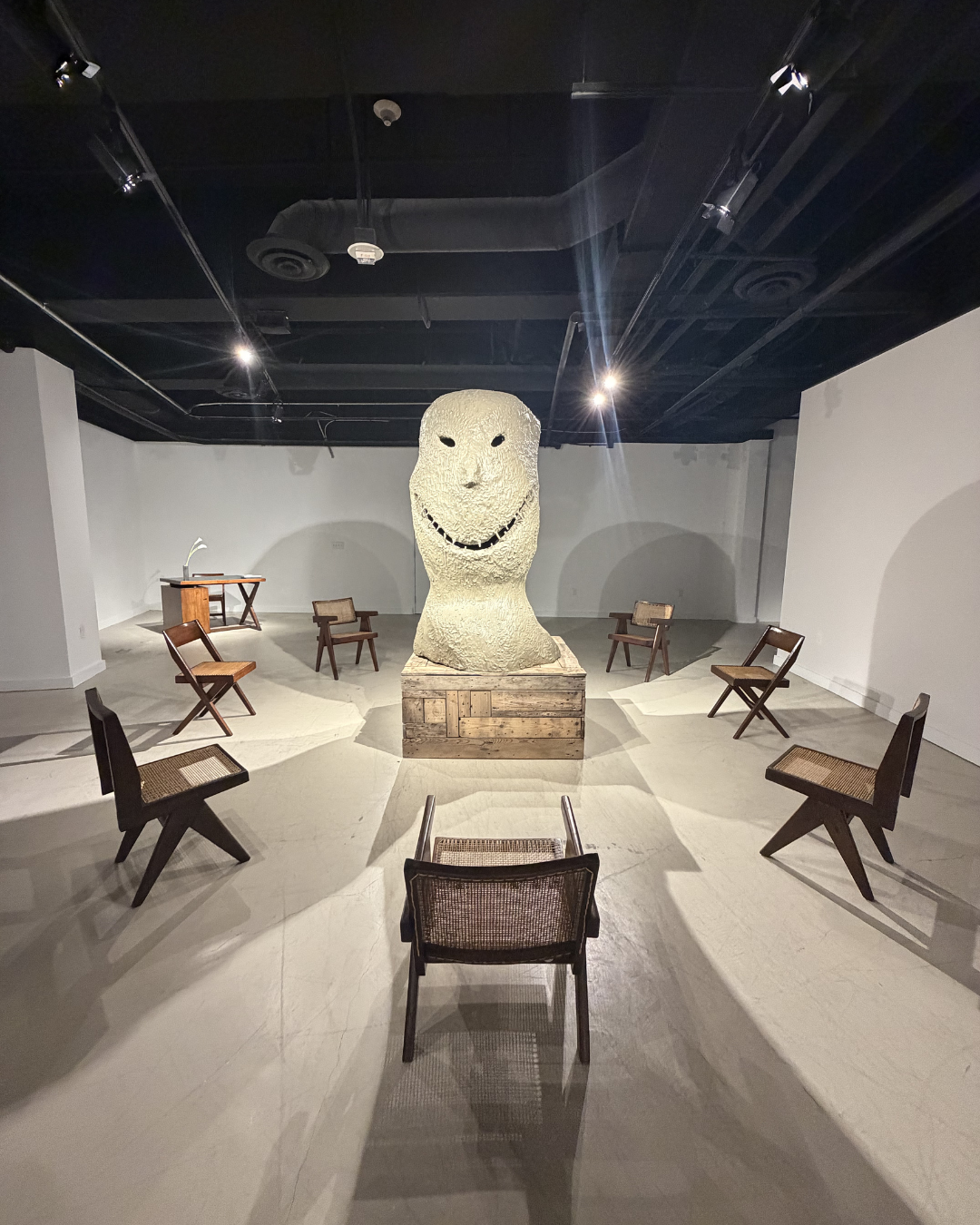
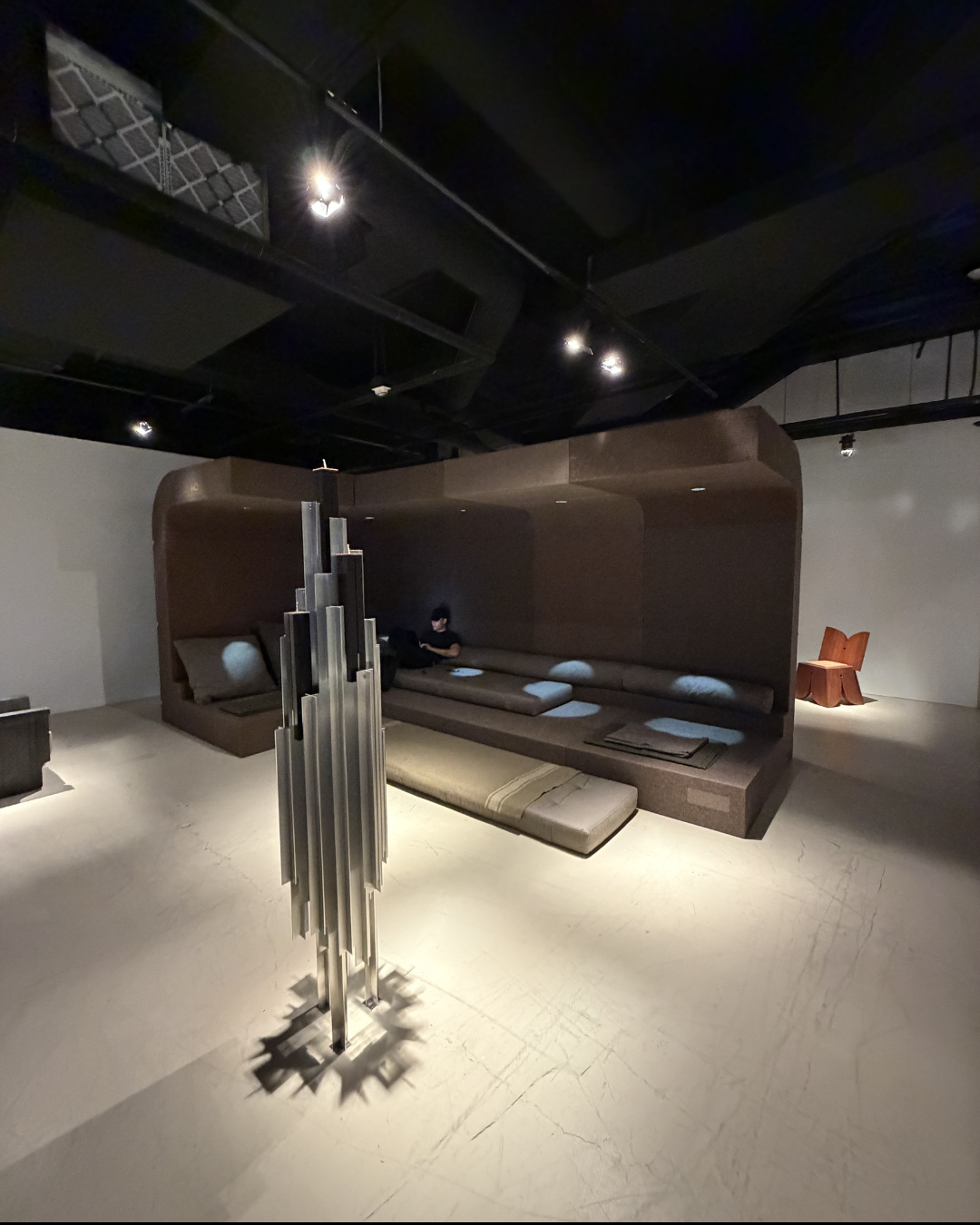
The chairs around it felt like a place of worship. Or maybe observation. A physical representation of old meeting modern. Almost as if the chairs themselves were admiring the sculpture.
While studying the art, I had thoughts of grandeur. What it would be like to create something and see it placed in an event like this. To be Rick Owens, or to be Pierre Jeanneret.
That led me to think about why I was here at Basic.Space. There were a multitude of reasons why I was there. I wanted to look at art, I wanted to meet people, I wanted someone to give me an opportunity, whatever that may be. I went because I wanted to feel a part of something. Now and again, the question arises as I write this piece in my room.
I had regained my bearings and focused back on my mission, to talk to Eli after he was done with his interview.
I walked from Room 3 back to the lobby area and caught Eli right as he was leaving his interview. And as simple as that, I was speaking to the man.
Audio of interview with Eli below:
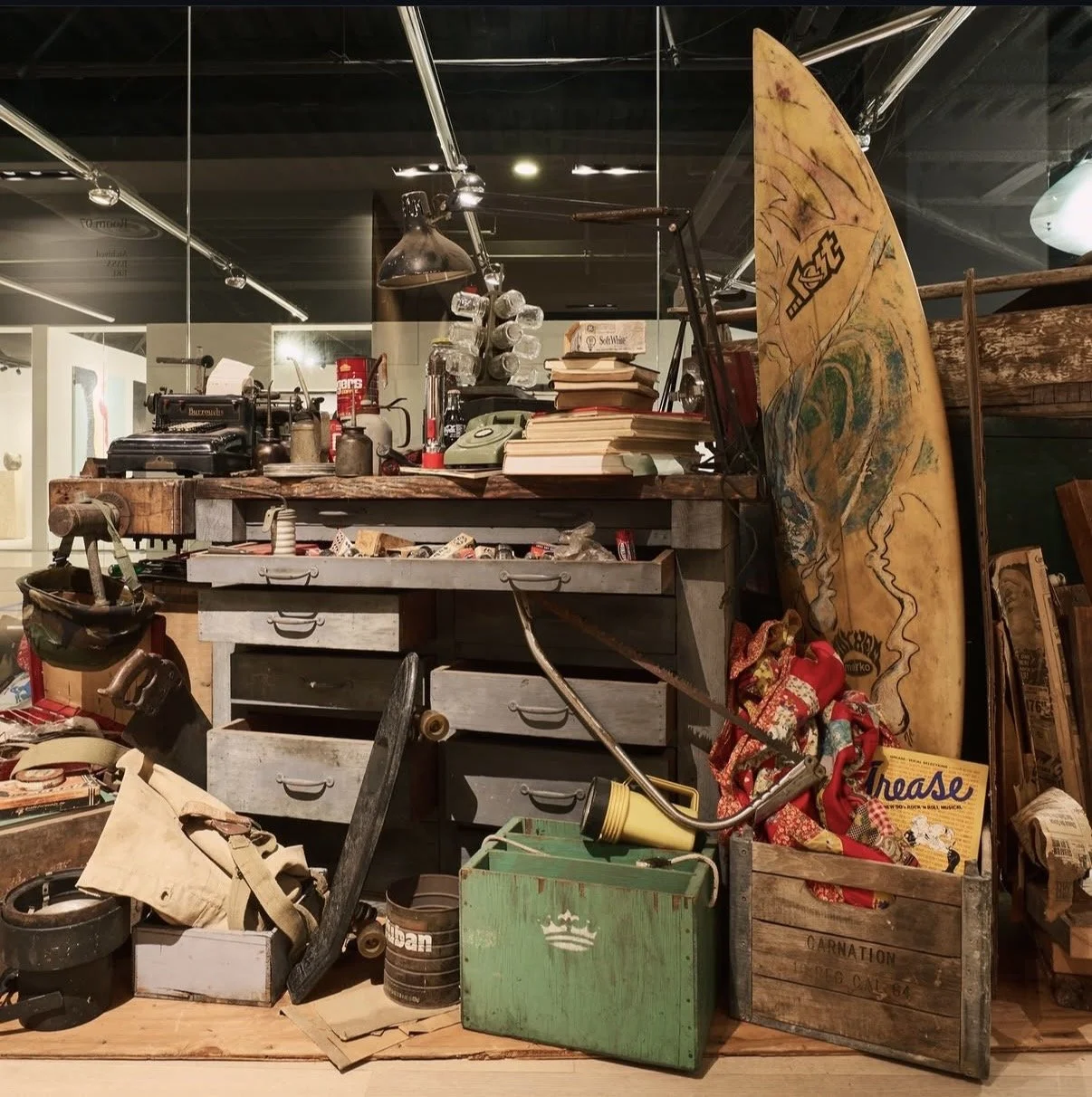
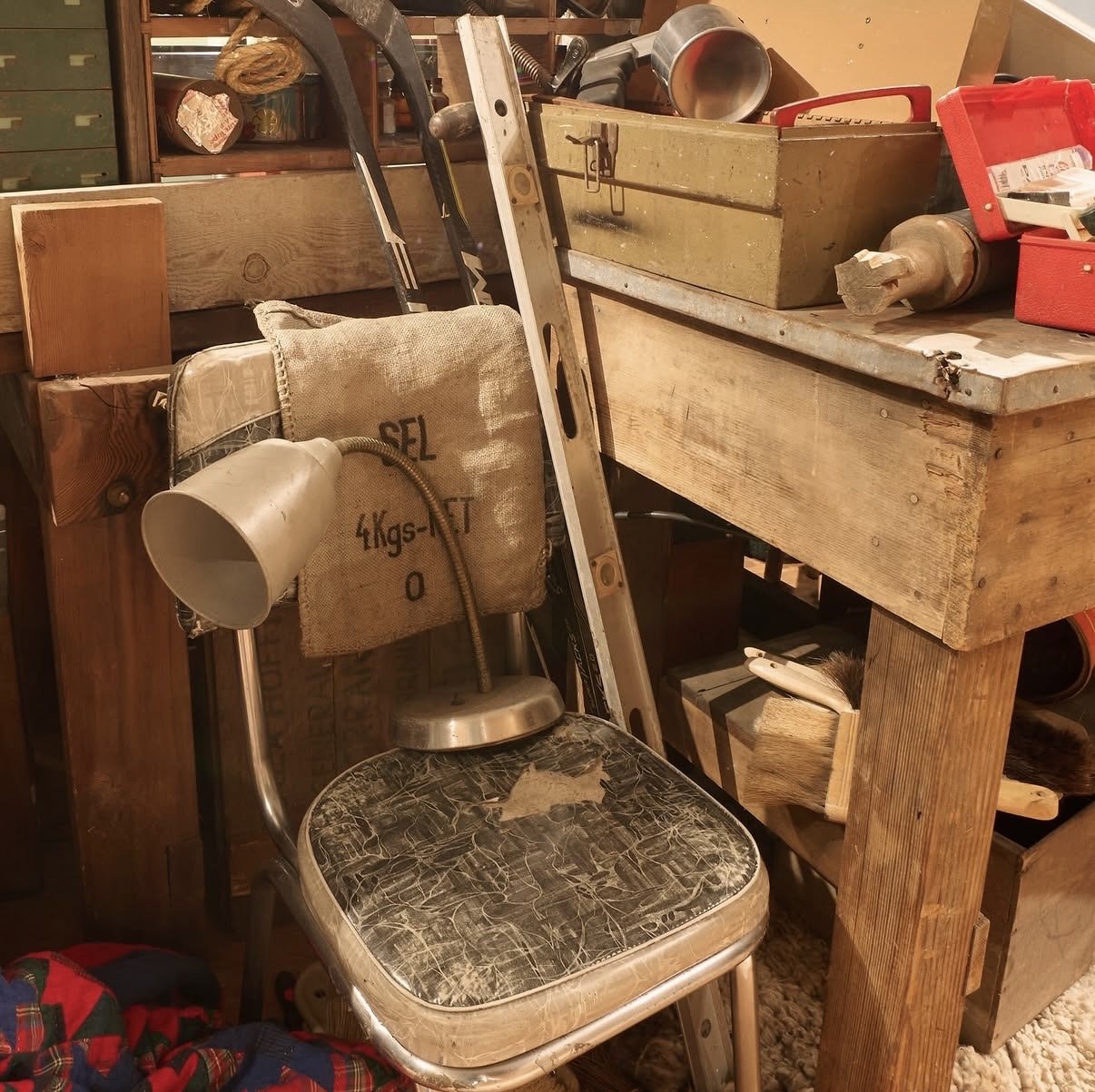
It felt like an accomplishment to have spoken to Eli and Garrett. Their answers were exactly what I had wanted to hear from creatives.
For Garrett, he chose furniture that felt true to him. What spoke to me most about our conversation was how Garrett had to find these pieces. This was his art, a hunt for the perfect object. The search for something that encapsulates someone but also identifies with. Like seeing yourself in a piece, as a painter might with a perfect color.
With Eli, it was more fluid. Clothing is where he got his start, but the concept of expression is broader than any one medium. As much as it may seem to be about clothing or the exhibit, there will always be a way to tell a personal story. His exhibit was cluttered, but calculated. More of a workshop than a showroom. Littered about were tidbits of media, with copies of National Lampoon, a VHS of Point Break, and a photobook of the movie Alien lying dormant. Like gems in clutter, it mirrored the creative thought process itself.
Basic.Space was about convergence, with themes of identity, interconnectivity, aspiration, and authorship. It is grounded in the person making the art. It is a reminder that art is inseparable from the person behind it.
