'Fashion Shitposting': Internet Irony and its place in today's fashion climate
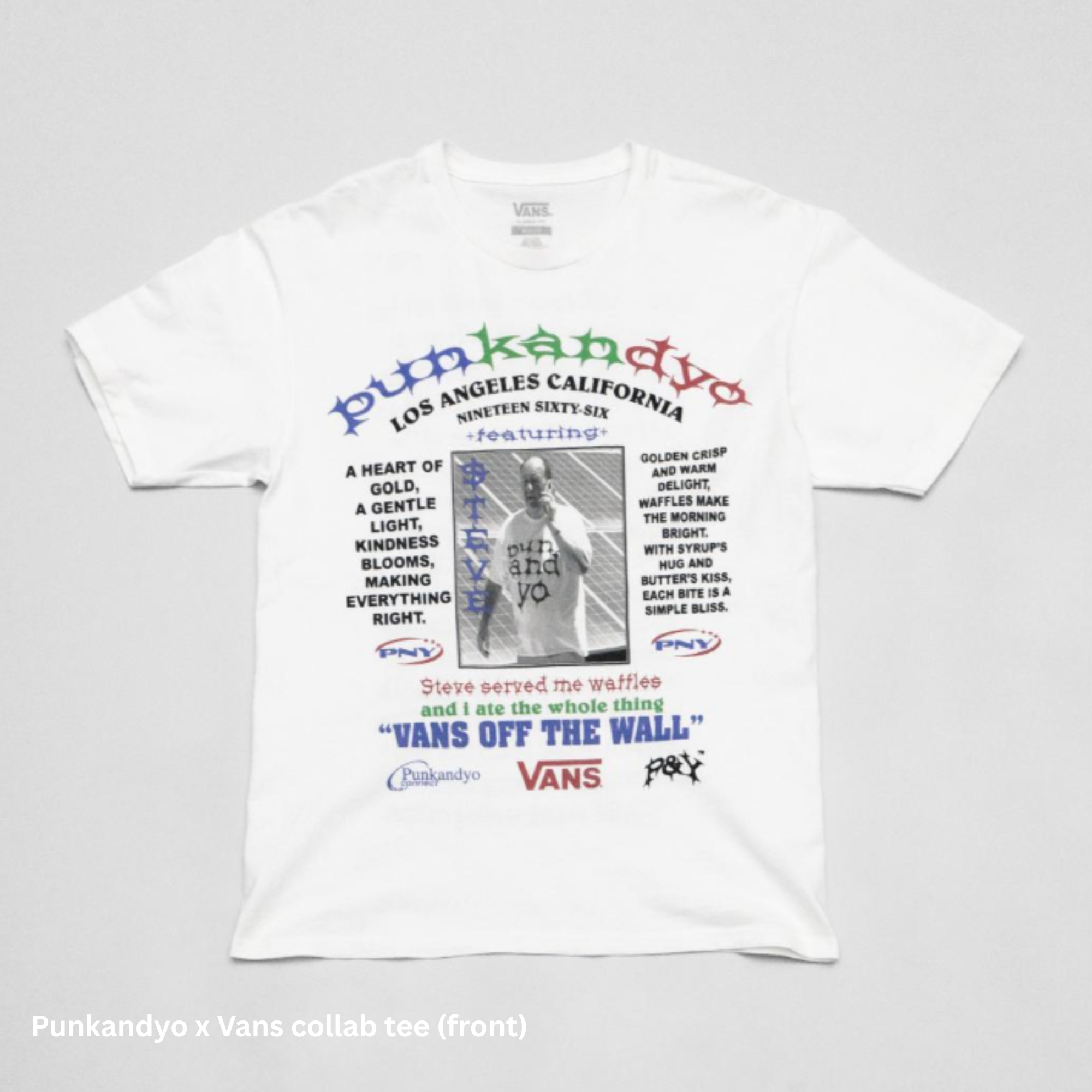
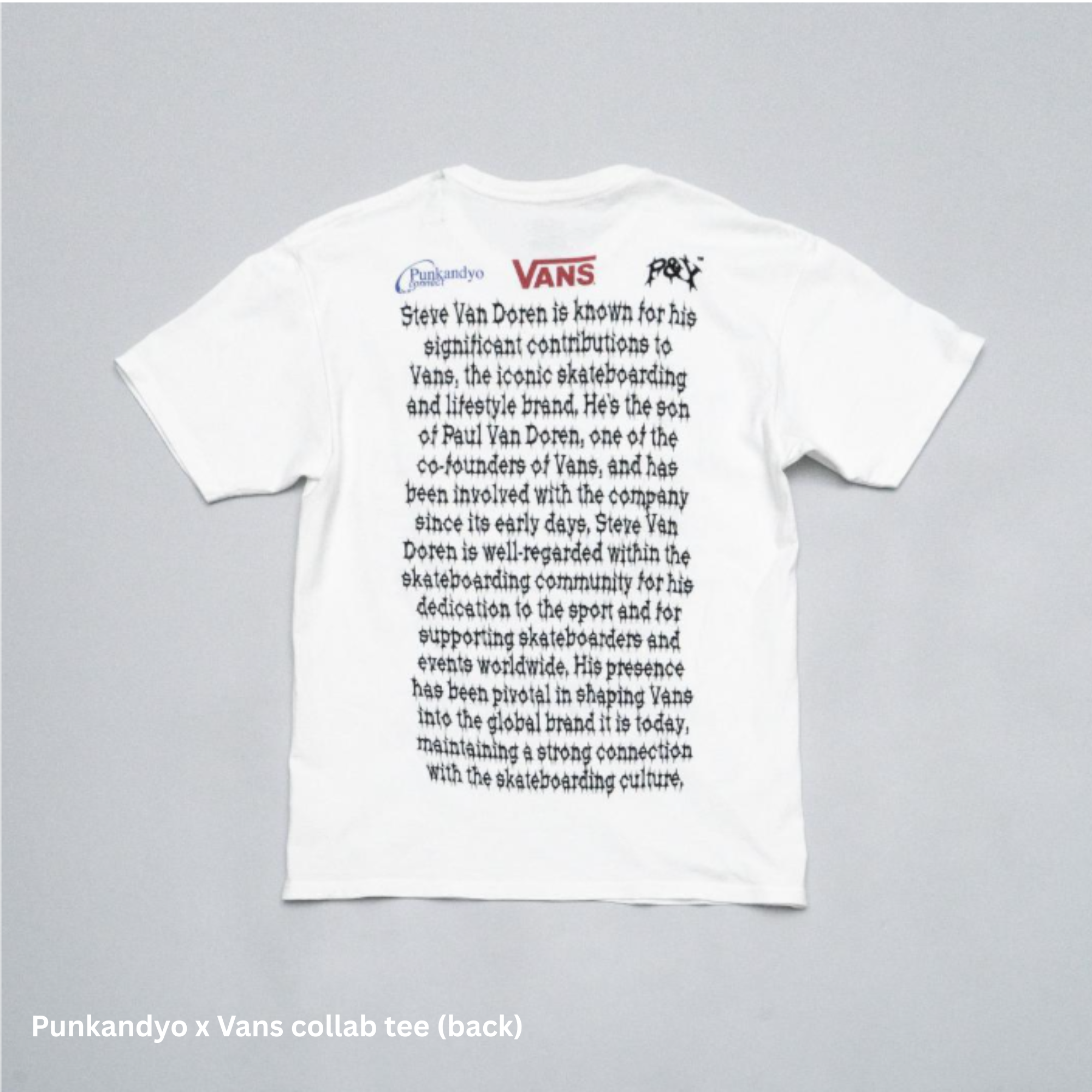
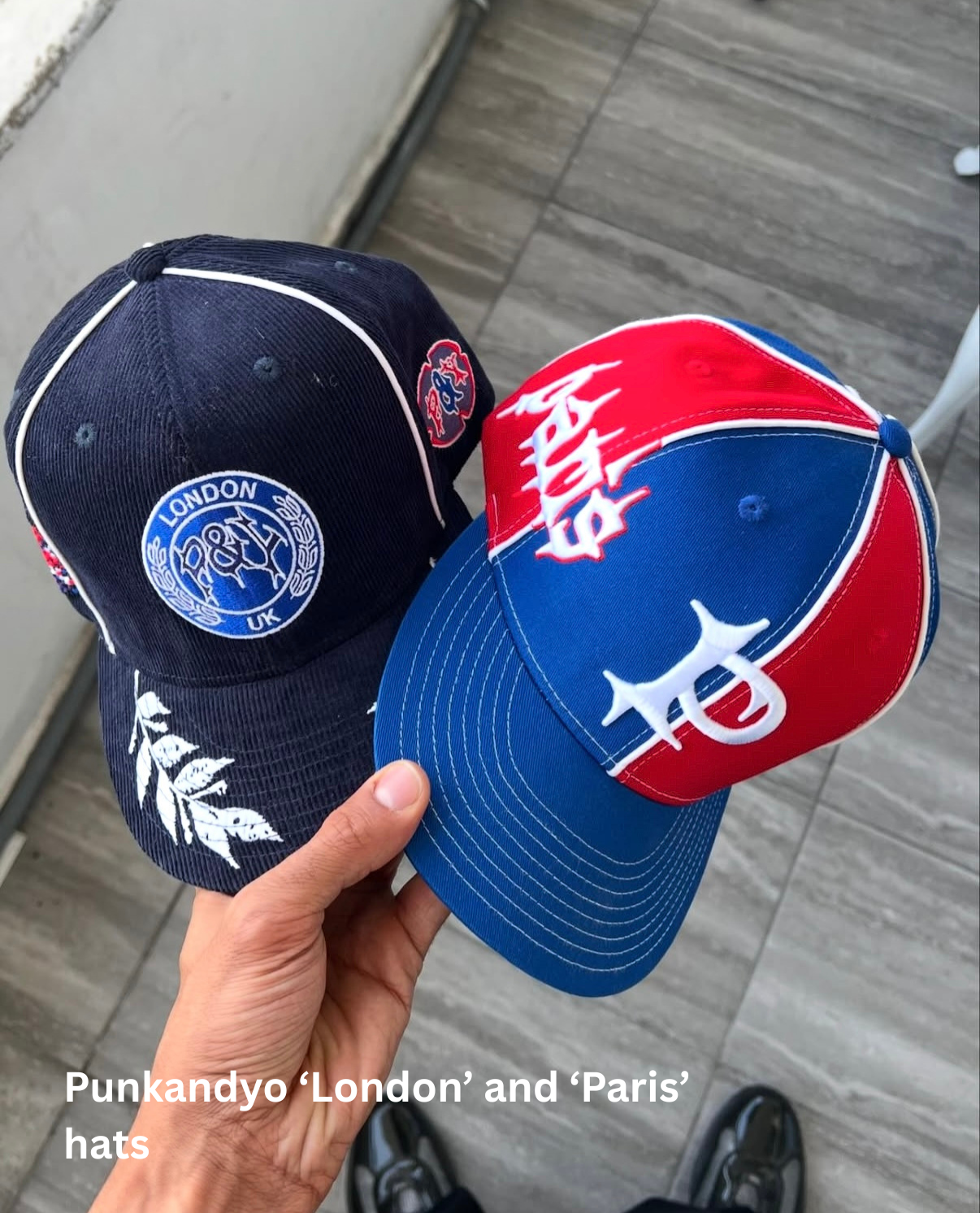
Last year, PunkandYo orchestrated a pop-up in Los Angeles featuring their long-awaited Vans collab and latest collection. This included their newest skate shoe, signature country-themed 5-panel hats, fashionably gaudy belts, and eye-catching shirt graphics. However, one piece stood tall compared to the rest. A Vans x PunkandYo shirt featuring Vans creator Steve Van Doren on the phone wearing a PunkandYo shirt. Under the photo, it read, “Steve served me waffles and I ate the whole thing ‘Vans: Off the Wall’. The back of the shirt had a commemoration detailing Vans' creator’s significant contribution to skateboarding. The tee painted an initially bewildering but ultimately intuitive ode to the Vans creator.
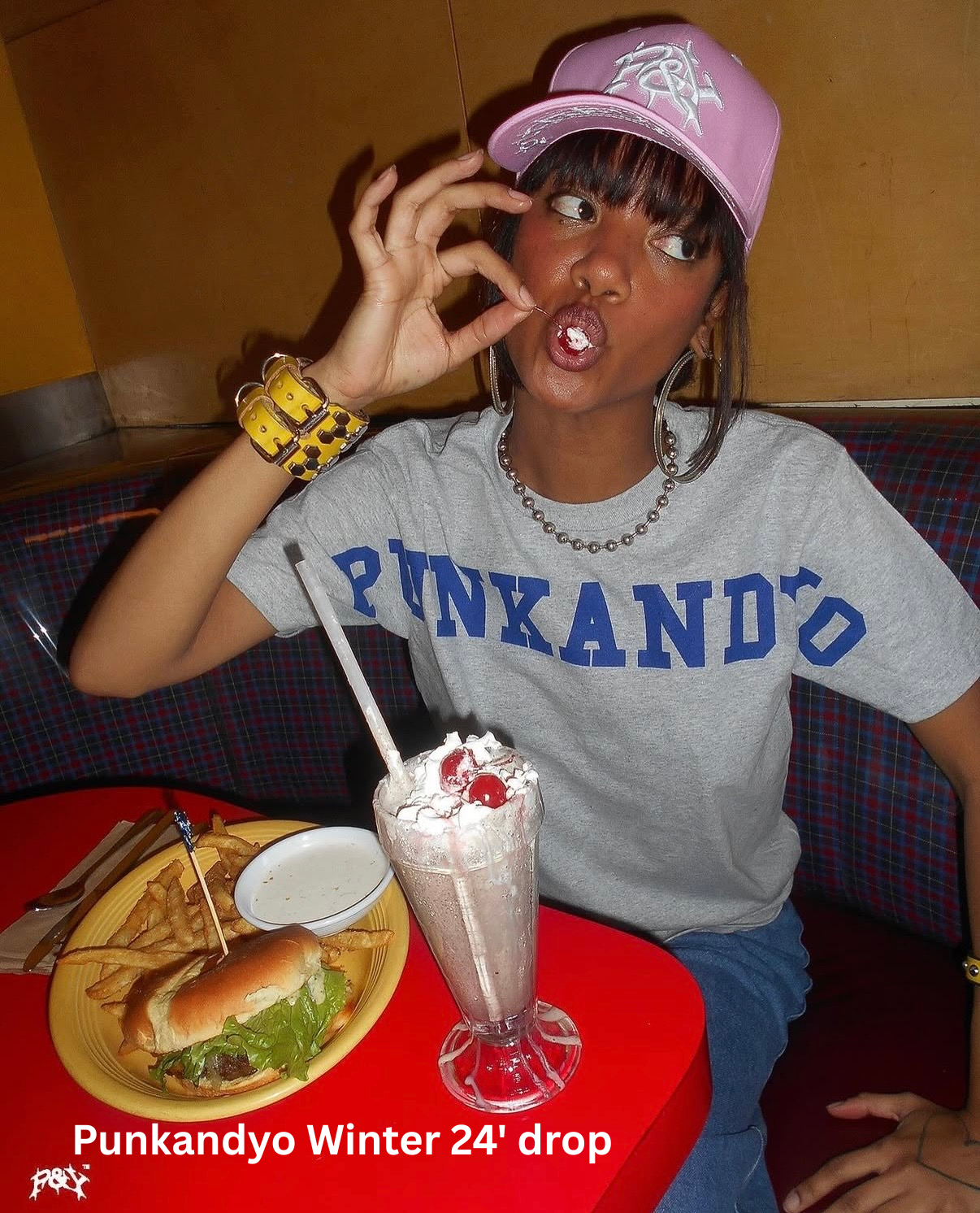
In an era where irony-heavy fashion houses like Balenciaga and Vetements have brought incongruity to the runway, brands like PunkandYo and Fugazi are bringing it back, but in more ways than one. You can see other brands also harbor an unserious tone, and that’s cool; it's genuine. But PunkandYo and Fugazi operate on a different wavelength.
They represent a new wave of streetwear that is deeply rooted on the internet. They are movements that embrace post-ironic absurdity that is ultimately sincere, intentional, and well-made.
It's like fashion shitposting. These brands thrive on contradiction. Punkandyo is as eccentric as it is cool and gaudy as it is sleek. Certain aspects of fashion are slightly shitpost-adjacent, where they are being ironic or tongue-in-cheek, but PunkandYo's whole brand language is self-aware of its own absurdity. People shitpost, make memes, and deep-fry photos because it houses a post-ironic culture that is not taken seriously, and it's seeping into what we wear.

Fugazi shares this same sentiment, but for slightly different reasons. Brand creator Trevor Gorji uses trend virality to his advantage. Various viral moments orchestrated by Gorji have had an outlandish charm with an underlying hint of subtext. Gorji posted a photo in handcuffs, saying he was detained for past designs, which turned out to be a promotion for his Nike parody of the skate dunk known as the ‘Censor Slugs’ he made for Fugazi’s fourth collection titled “Peacemaker”.
Gorji has always teetered on this line between message and creativity. “We're definitely always going to have the humor, but I think I've always had a nuance, and there are layers to it. People don't always notice the other deeper meanings or more nuanced stuff. Customers are so smart these days that I want to make sure there's substance there. It's not just slapping a logo or a meme shirt. There are little messages in it. I think the brand has always been a reflection of the current society and different little aspects that we tap into. I'm just trying to hone that skill, almost like storytelling,” said Gorji.
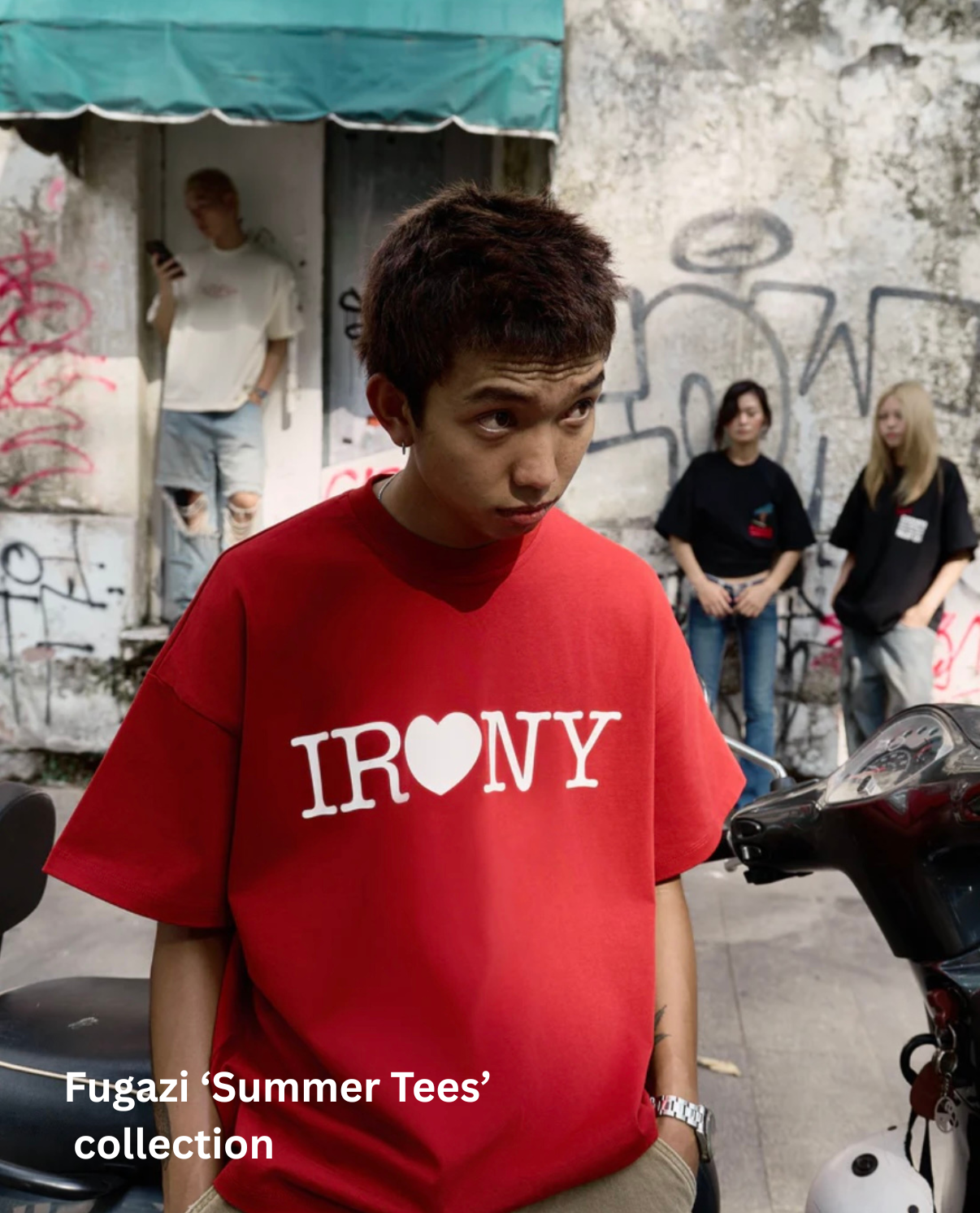
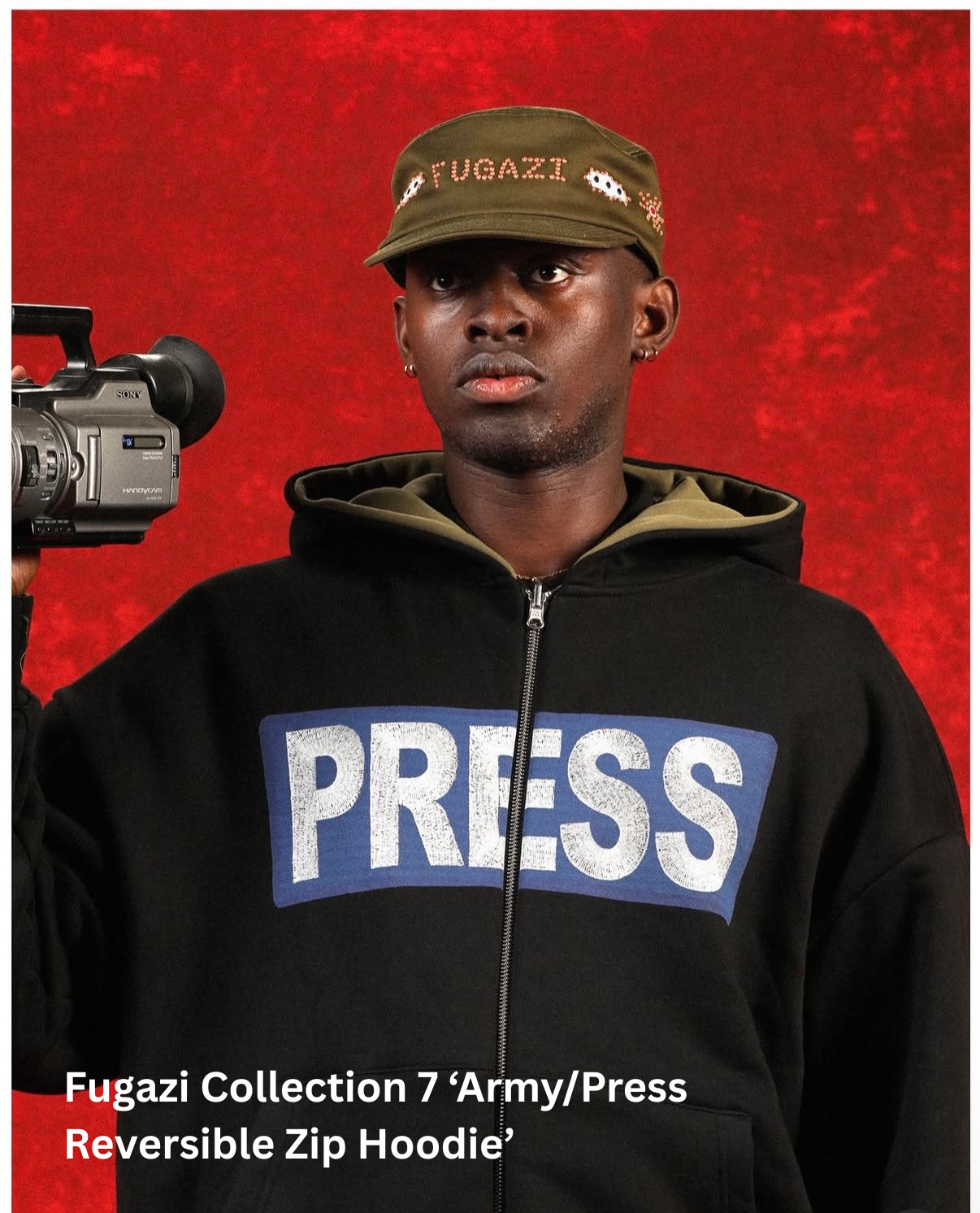
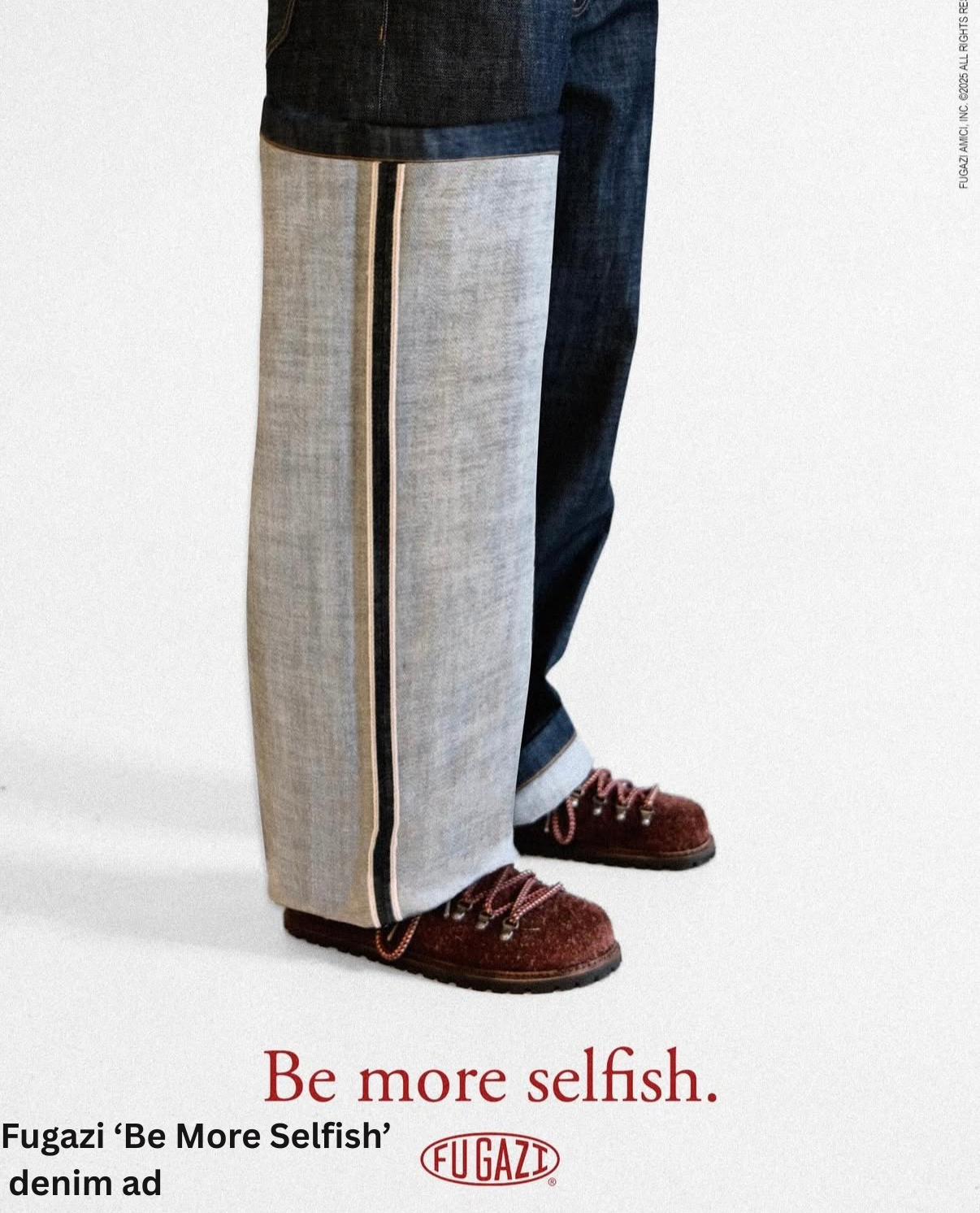
Through their designs and online presence, these brands have fostered communities that harken back to the days of old-school streetwear, where like-minded people gather at a drop, with the line stretching down the block.
These brands are part of a larger narrative making waves in these niche internet fashion spaces. The “don’t care” and DIY attitude of their classic streetwear forefathers still resonates, while they maintain an online presence that embodies this ethos.
PunkandYo constantly hosts pop-ups all around the world, featuring the latest pieces and occasionally smaller capsules of unreleased items as well. Their Instagram account, @punkandyoarchive, also releases passwords for early access to drops, giving fans another way to engage directly with the brand.
Fugazi, meanwhile, recently hosted an online only Black Friday event where the price of last season's collection dropped 5% every hour, gamifying the experience and creating buzz among fans. These social posts were met with fans who left comments to ‘hold the line’ to try to work together to get the best deal possible.
It's streetwear shaped by the internet, where post-ironic absurdity is carried by genuine design and intention. It’s convergence, and if you’re in on it, you understand it. If you don’t, the quality, design choices, and community presence made will still get you to buy a piece.
